My First Hackathon: The Hack The Future 2025 Experience
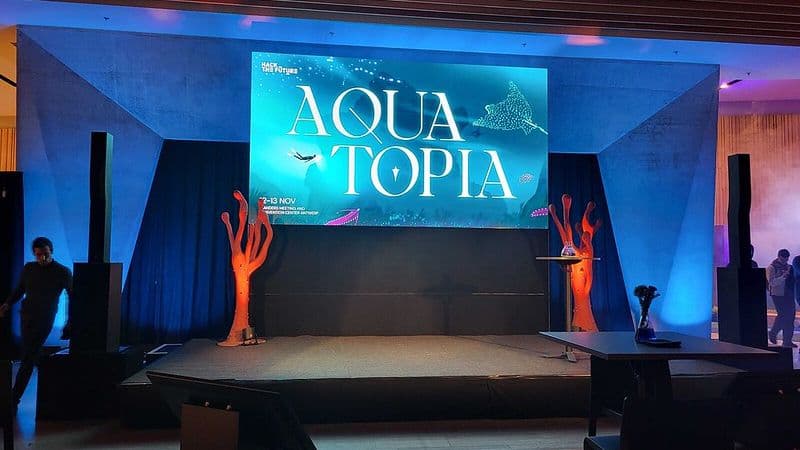
"Participating in my first hackathon was an intense and rewarding journey. It wasn't just about the code; it was about collaboration, problem-solving under pressure, and the thrill of seeing our ideas come to life."
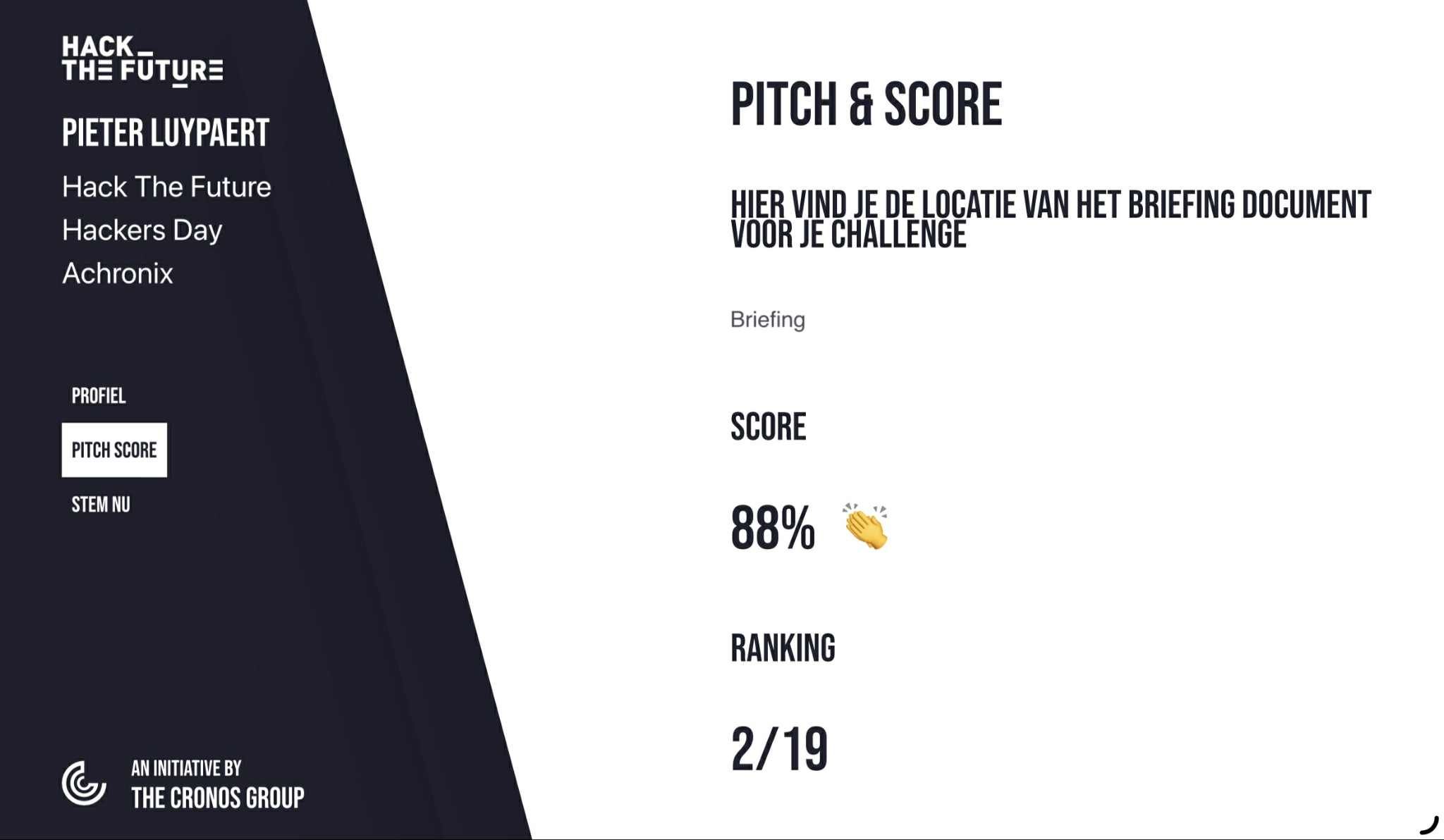
My first ever hackathon, and what an adventure! Our challenge, "111: Diving into a New Dimension of Optis," pushed us to think creatively and work as a team. Together with Pieter Luypaert, we finished second in our challenge during the jury evaluation, a bit disappointed to just miss first place, but overall really proud of what we achieved 💪
The Challenge
We were tasked with building a solution to track marine life. We received a starter project with a basic homepage and a database, and our mission was to build something meaningful around it. We also got the exciting news that we could go for free to the Zoo of Antwerp, which was a great bonus for the event!
Our Solution
Instead of just a simple database, we focused on creating a clean, professional design with a sonar-like aqua theme that perfectly fit the hackathon's atmosphere. We wanted to make the data feel alive and accessible.
Advanced Analytics & Sonar Theme
Deep Analytics
We added advanced analytics and historical analysis, allowing users to track all fish movements and see temperature correlations in real-time.
Interactive Sonar Map
Using MapLibre, we built a sonar-inspired map that makes it easy to see exactly where you captured each fish, with rarity-based markers.
Gamified XP System
We implemented a full XP and ranking system (from Beginner to Master) to make the tracking experience engaging and rewarding.
Embracing New Tech
For my first hackathon, we decided to be ambitious with our tech stack. We adopted a monorepo structure and utilized Next.js 16 and React 19. Using Tailwind CSS 4 allowed us to rapidly iterate on our custom designs. On the backend, Express.js 5 and Prisma provided the robust foundation we needed, while Drizzle ORM and Better Auth powered the frontend's data and security.
Reflections
Building Fishy Dex was a fantastic journey. It wasn't just about the code; it was about collaboration, problem-solving under pressure, and the thrill of seeing our ideas come to life. This experience has solidified my passion for full-stack development and I can't wait for the next one.